The Evolution of Industry: From Revolution to Innovation
The word “industry” has long been associated with progress, productivity, and the advancement of human civilization. In its most traditional sense, industry refers to the production of goods and services within an economy. Over the centuries, it has undergone profound transformations, from the handcrafting methods of the pre-industrial era to the sophisticated, automated systems of today. However, the evolution of industry is not just a matter of technological advancement—it is a reflection of how societies adapt, innovate, and respond to the challenges and opportunities of each era. This article explores the multifaceted nature of industry, its historical trajectory, and its profound impact on the global landscape.
The Birth of Industrialization: A Revolutionary Leap
The story of modern industry begins with the Industrial Revolution, a period of radical change that spanned the late 18th and early 19th centuries. Prior to this, most economies were agrarian, relying on manual labor and simple tools for production. Communities were self-sustained, with individuals and families producing the goods they consumed. Craftsmanship was the norm, and markets were localized. However, with the advent of mechanization, mass production, and factory systems, this quaint, localized form of production gave way to something much grander.
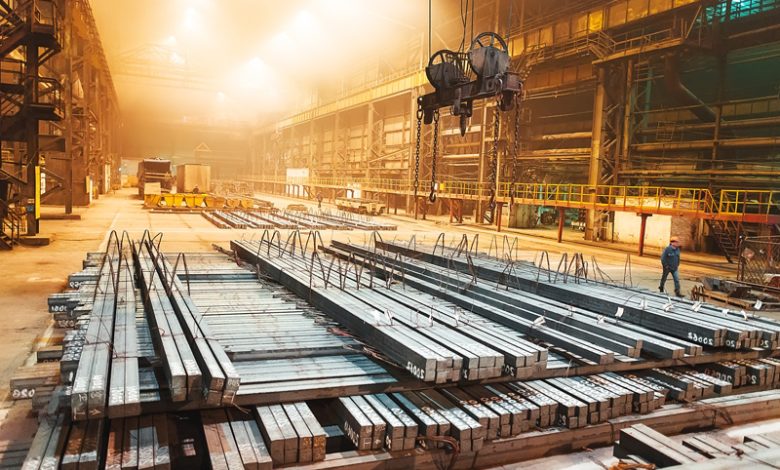
The Industrial Revolution, which began in Britain, marked the transition from manual labor to machine-based manufacturing. Innovations like the steam engine, the spinning jenny, and the power loom revolutionized sectors such as textiles, coal mining, and iron production. The result was a significant boost in productivity, leading to the creation of factories and the growth of urban centers. Cities like Manchester, Birmingham, and Glasgow became synonymous with industrial might, as they witnessed a swelling population of workers seeking employment in these new manufacturing hubs.
The implications of this transformation were far-reaching. On a societal level, it initiated urbanization, as people flocked to cities for the promise of work and better living standards. On an economic level, it fueled the growth of capitalism, as large-scale production systems created wealth on an unprecedented scale. At the same time, the rapid pace of industrialization gave rise to new social challenges, including poor working conditions, child labor, and environmental degradation. The juxtaposition of progress and inequality became a defining characteristic of the industrial era.
The Second Industrial Revolution: Technology and Global Expansion
While the first Industrial Revolution was marked by the rise of mechanized manufacturing, the second phase—commonly referred to as the Second Industrial Revolution or the Technological Revolution—ushered in a new wave of technological advancements in the late 19th and early 20th centuries. The focus of this phase was on electricity, steel, and chemical innovations, which further accelerated industrial progress.
The introduction of electric power and the development of mass production techniques, notably the assembly line pioneered by Henry Ford in the automotive industry, revolutionized manufacturing. The Ford Model T, produced at a rate previously thought impossible, became emblematic of this era, making automobiles affordable for the masses and fueling an entire industry of ancillary services, from oil and steel production to infrastructure and transportation.
At the same time, the advent of new communication technologies, such as the telegraph, the telephone, and later radio, shrank the world in ways that were previously unimaginable. These advancements allowed for more efficient management of industry across larger geographic areas and helped establish global markets. The world was now more interconnected than ever before, and multinational corporations began to emerge, operating in a global economy driven by industrial output.
The Second Industrial Revolution also contributed to the rise of consumer culture. Mass-produced goods became increasingly affordable and accessible, leading to the creation of a consumer-driven society. This shift in economic structure meant that people’s lives were increasingly influenced by industrial outputs, whether it was in the form of automobiles, household appliances, or clothing.
Post-War Industrialization and the Rise of Automation
After the Second World War, the industrial landscape experienced yet another transformation, characterized by both the expansion of industries in the Western world and the rise of automation. The post-war boom in consumer demand, coupled with the availability of new materials, led to an era of unprecedented economic growth. Countries like the United States, Japan, and West Germany became industrial powerhouses, producing everything from televisions to refrigerators to automobiles at a scale never seen before.
However, this period also saw the beginnings of automation—technology that would gradually replace human labor in many aspects of industrial production. Automated machinery, robots, and computer systems began to infiltrate factory floors, reducing the reliance on manual labor and increasing production efficiency. The result was a dual-edged sword: while automation brought about increased productivity and lower costs, it also raised concerns about the displacement of workers and the future of employment.
The rise of automation also had a significant impact on the nature of work. As industries became more reliant on machines, the skills required from workers shifted. There was a growing emphasis on technical expertise and engineering, leading to the creation of new job categories and career paths. At the same time, blue-collar jobs, which had been the backbone of industrial economies, began to decline in many sectors, leading to the growth of service-oriented industries and a shift toward a knowledge-based economy.
The Digital Revolution and the Future of Industry
In the latter part of the 20th century and into the 21st century, we entered the era of the Digital Revolution, which has been just as transformative as the earlier phases of industrialization. The integration of digital technology into manufacturing—commonly referred to as Industry 4.0—has brought about another paradigm shift in the way goods are produced and distributed.
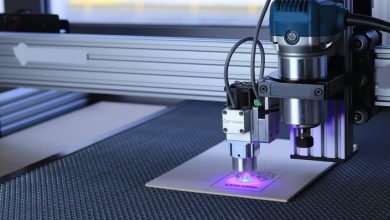
The rise of the internet, artificial intelligence (AI), machine learning, and the Internet of Things (IoT) has transformed industries across the board. From smart factories to 3D printing, these new technologies have led to more efficient, flexible, and customized production processes. The ability to collect and analyze data in real-time has enabled manufacturers to optimize supply chains, predict maintenance needs, and create personalized products at a mass scale.
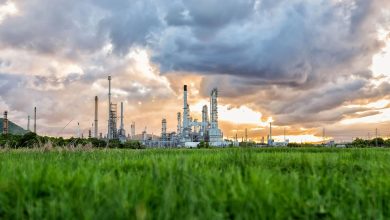
One of the most exciting developments in modern industry is the growing focus on sustainability and green technologies. As concerns over climate change and resource depletion intensify, industries are increasingly investing in renewable energy sources, eco-friendly production methods, and circular economies that emphasize recycling and waste reduction. This shift toward sustainability is not just driven by consumer demand but also by regulatory pressure and the recognition that long-term profitability will depend on the ability to innovate in environmentally responsible ways.
The Role of Industry in the Global Economy
In the 21st century, industry continues to play a central role in shaping the global economy. While manufacturing remains a key pillar of many national economies, particularly in developing countries, the nature of industrial production is changing. The rise of automation and AI means that labor costs are becoming less of a driving factor in the location of industry. At the same time, trade liberalization and globalization have created opportunities for companies to establish production facilities in multiple regions, sourcing materials from one area, assembling goods in another, and selling them globally.
The future of industry is also closely tied to innovation and entrepreneurship. As traditional industries face disruption from new technologies, entrepreneurial ventures and startups are becoming key players in driving new forms of industrial activity. Industries that once seemed dominated by a few large players are now open to competition from nimble startups using cutting-edge technology to gain a foothold.
Conclusion: The Never-Ending Evolution of Industry
From its humble beginnings in the workshops of pre-industrial societies to its current incarnation as a globally integrated, technology-driven force, industry has continually evolved, driven by technological advances, economic shifts, and societal needs. It has redefined not only the way goods and services are produced but also how individuals live, work, and relate to one another. Looking to the future, it is clear that the story of industry is far from over. The challenges of the 21st century—sustainability, automation, and globalization—will shape the next phase of industrial development, as new technologies and ideas continue to redefine what is possible. One thing remains certain: the evolution of industry is a story of constant change, innovation, and reinvention, reflecting the ever-changing aspirations of society itself.