
The Future of the Chemical Industry Through Sustainable Manufacturing
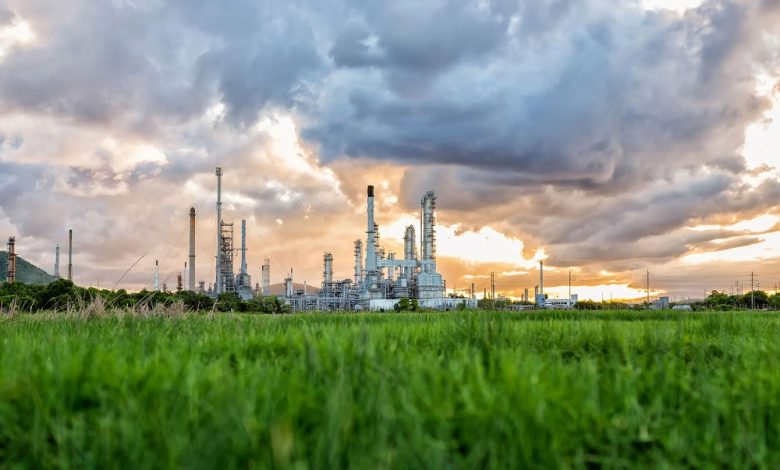
The chemical industry stands as the foundational backbone of the modern global economy. From the polymers in medical devices and the fertilizers supporting global agriculture to the advanced materials inside consumer electronics, more than 95 percent of all manufactured goods rely on chemical processing. For over a century, this immense production apparatus has operated on a linear model: extracting fossil fuels, refining them through high-energy configurations, and generating products destined for a single-use lifecycle.
This historic operational framework faces unprecedented structural pressures. Depleting petroleum reserves, tightening international carbon regulations, and shifting consumer preferences are forcing a profound industrial transformation. The future of the chemical sector no longer belongs to traditional, resource-intensive processing. Instead, it is being rapidly redefined by sustainable manufacturing—a systemic paradigm shift that integrates green chemistry, renewable feedstocks, electrified processing, and circular asset design to decouple chemical production from environmental degradation.
Defining Sustainable Chemical Manufacturing
To evaluate this transition accurately, it helps to establish exactly what sustainable manufacturing means within a chemical context. It extends far beyond basic waste management or incremental energy efficiency gains at an existing plant.
Sustainable chemical manufacturing is the comprehensive redesign of chemical synthesis and industrial production processes to maximize resource efficiency, eliminate hazardous byproducts, and minimize the total carbon lifecycle of the final molecule. This approach is anchored by the principles of green chemistry, which prioritize atom economy—ensuring that the maximum number of raw material atoms end up in the final product—and the elimination of toxic solvents.
When applied at an industrial scale, sustainable manufacturing alters every phase of the value chain, converting chemical plants from massive point-source emitters into hyper-efficient, integrated bio-refineries and circular processing hubs.
The Primary Drivers of the Industrial Shift
This industry-wide pivot is not merely a voluntary corporate social responsibility initiative. It is being accelerated by a combination of macroeconomic, regulatory, and market forces.
Stringent Global Climate Regulations
Governments worldwide are implementing aggressive carbon pricing mechanisms, border adjustment taxes, and strict net-zero mandates. Chemical producers operating inefficient, coal- or gas-fired facilities face escalating compliance costs that threaten their baseline financial viability. Transitioning to sustainable methodologies has become a mandatory regulatory hedge.
Supply Chain Resiliency and Resource Security
Relying entirely on volatile crude oil and natural gas markets leaves chemical manufacturers highly exposed to geopolitical shocks and supply chain disruptions. By adopting alternative feedstocks, such as agricultural waste or captured industrial carbon dioxide emissions, companies can diversify their raw material sourcing and build localized, resilient production footprints.
Shifting Consumer and Enterprise Demand
Downstream industries, including automotive, packaging, and consumer goods companies, face intense pressure to reduce their scope three emissions—the indirect emissions that occur across their upstream supply chains. Consequently, these enterprise buyers are actively demanding low-carbon, bio-based, or fully recyclable chemical ingredients, rewarding sustainable suppliers with long-term premium contracts.
Core Technological Pillars of the Green Chemical Future
The realization of a sustainable chemical sector relies on several foundational technological shifts that are moving from pilot laboratories onto the commercial production floor.
Bio-Based Feedstocks and Biomass Conversion
The chemical industry is gradually replacing fossil-derived hydrocarbons with renewable carbon sources. Modern bio-refineries utilize non-food biomass, such as agricultural residues, forest waste, and specialized algae, to extract complex sugars and lignin. Advanced catalytic processes then convert these bio-polymers into foundational platform chemicals like bio-ethylene or bio-methanol. These drop-in chemicals are chemically identical to their petroleum counterparts, allowing them to be utilized in existing downstream manufacturing infrastructure without requiring expensive retooling.
Electrification of Chemical Processing and Renewable Energy
Traditional chemical synthesis relies on massive steam crackers and furnaces powered by burning fossil fuels to achieve the high temperatures and pressures required for molecular reconfiguration. Sustainable manufacturing replaces these thermal systems with electrified alternatives powered by wind, solar, or hydroelectric grids. Technologies such as industrial scale heat pumps, microwave-assisted catalysis, and direct electrochemical synthesis allow manufacturers to drive chemical reactions using clean electrons rather than combustion heat, eliminating direct operational emissions.
Industrial Biotechnology and Biocatalysis
Nature has spent billions of years perfecting chemical engineering at room temperature through enzymes. Industrial biotechnology harnesses these natural catalysts, alongside genetically engineered microbes, to perform complex synthesis steps inside fermentation vessels. Biocatalysis operates under incredibly mild conditions compared to traditional petrochemical reactors, drastically reducing energy expenditure, doing away with harsh organic solvents, and producing highly pure yields with minimal side-reactions.
Carbon Capture, Utilization, and Storage
Instead of viewing carbon dioxide as a dangerous waste product, forward-looking chemical companies are treating it as a valuable source of carbon. Carbon capture and utilization technologies capture flue gas from heavy industrial operations and combine it with green hydrogen. Through advanced catalytic synthesis, this captured gas is transformed into synthetic fuels, polyols, and specialized plastics, effectively trapping carbon molecules inside durable consumer goods rather than releasing them into the atmosphere.
Transitioning to a Circular Chemical Economy
A critical objective of sustainable manufacturing is the total elimination of the traditional end-of-life disposal phase for plastics and synthetic polymers. The industry is actively building a circular infrastructure through two complementary recycling methodologies.
-
Advanced Chemical Recycling: Traditional mechanical recycling degrades plastic quality over multiple cycles. Advanced chemical recycling, or advanced molecular recycling, uses thermal techniques like pyrolysis or chemical depolymerization to break down mixed, contaminated plastic waste back into its original base monomers. These raw monomers are then purified and re-fed into the front end of the chemical plant, creating virgin-quality plastics indefinitely.
-
Designing for Degradability: Modern material scientists are intentionally engineering new classes of polymers that possess robust performance characteristics during their useful lifespan but are programmed to easily break down into non-toxic components when exposed to specific natural enzymes or compost environments.
Overcoming the Economic and Scale Hurdles
The roadmap toward universal sustainable manufacturing is not without significant capital and operational barriers. Navigating these constraints requires collaborative industry solutions.
Building a brand-new electrified facility or constructing a large-scale biomass processing plant requires an immense amount of upfront capital expenditure. During the initial scaling phase, these sustainable technologies often struggle to achieve the massive economies of scale enjoyed by legacy petrochemical complexes that have been optimized for fifty years. This dynamic creates a temporary green premium, where sustainable chemicals cost more to produce than fossil-based alternatives.
To bridge this economic gap, the industry must develop shared infrastructure hubs, where multiple chemical companies cluster around dedicated hydrogen pipelines, high-voltage renewable grid connections, and centralized carbon capture networks. Furthermore, financial institutions are increasingly tying corporate loan interest rates to verified sustainability metrics, providing lower borrowing costs to enterprises that proactively modernize their production assets.
Frequently Asked Questions
What is the difference between bio-based chemicals and biodegradable chemicals?
Bio-based chemicals refer specifically to the origin of the raw material, meaning the carbon atoms were sourced from renewable biomass rather than fossil fuels. Biodegradable chemicals refer exclusively to the end-of-life behavior of the material, meaning it can be broken down into natural elements by microorganisms. A chemical can be bio-based but non-biodegradable, or conversely, petroleum-derived but engineered to degrade completely in the environment.
How does green hydrogen integrate into sustainable chemical manufacturing?
Green hydrogen, produced by splitting water using renewable electricity, is a vital building block for sustainable synthesis. It is combined with captured carbon dioxide to produce green methanol and synthetic hydrocarbons. Additionally, it serves as a clean reactant in traditional processes like the Haber-Bosch process for ammonia production, replacing the grey hydrogen historically derived from carbon-heavy natural gas steam reforming.
Will sustainable manufacturing practices lower the physical performance of chemical products?
No. One of the core rules of modern green chemistry is that sustainable alternatives must meet or exceed the performance benchmarks of the legacy materials they replace. Drop-in bio-based chemicals are molecularly identical to petroleum-based chemicals, ensuring no drop in physical properties, while newly engineered sustainable polymers are specifically designed to offer superior thermal, mechanical, and chemical resistance.
What is atom economy and why is it important in chemical synthesis?
Atom economy is a foundational efficiency metric in green chemistry that measures the percentage of starting raw material atoms that remain incorporated within the final desired product. Traditional chemical processes often generate large volumes of unintended byproduct waste atoms that must be separated and discarded. A high atom economy means nearly all the raw material inputs are converted directly into the target molecule, maximizing material efficiency.
Can chemical recycling handle all types of consumer plastic waste?
Advanced chemical recycling is highly versatile and can process complex, multi-layered, or contaminated plastics that are impossible to mechanically recycle, such as flexible food packaging and synthetic textiles. However, it is not a universal solution for every single waste stream. Highly halogenated plastics, like polyvinyl chloride, require specialized pre-treatment steps to safely remove chlorine atoms before they can enter standard chemical recycling reactors.
How do chemical companies verify the actual carbon reduction of their sustainable products?
Verification is achieved through a standardized methodology known as a Life Cycle Assessment. This process comprehensively calculates all greenhouse gas emissions associated with a chemical from the initial raw material extraction, through transportation and plant processing, up to the final product delivery. These assessments are audited by independent third-party certification bodies to guarantee transparent, standardized data for enterprise buyers.