Nano penetrating oil and the science of surface release
Choosing the right fluid to loosen a seized mechanical connection often feels like a guessing game. You might look at a rusted bolt and wonder whether a standard household lubricant is sufficient, or if a specialized nano penetrating oil is required to bridge the gap between failure and success. This decision typically comes down to the degree of corrosion, the accessibility of the part, and the physical characteristics of the fluid itself. Understanding how these materials interact with tight spaces can help you decide which approach is appropriate for your specific situation.
How penetrating fluids interact with corrosion
The fundamental challenge in freeing a seized component is overcoming the bond created by oxidized metal. When iron or steel is exposed to moisture and oxygen, it produces a layer of rust that occupies more volume than the original base metal. This expansion creates an incredibly tight fit—often called a “tight-tolerance” junction—where threads and surfaces are effectively fused together.
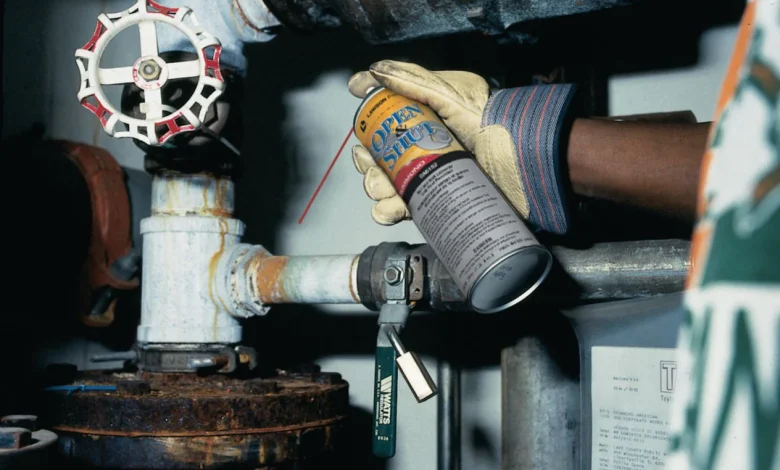
A standard lubricant is designed to stay on the surface to reduce friction between moving parts. It is typically too viscous to migrate into the minute channels within a rusted thread. A penetrating oil, by contrast, is engineered with low surface tension. This chemical property allows the fluid to “wet” a surface more effectively, spreading out rather than beading up. When applied to a seized bolt, this low-tension fluid can migrate deep into the micro-gaps created by the rust. By saturating the corrosion, the fluid can help break the molecular cohesion that holds the rust particles together, potentially making it easier to apply torque without shearing the fastener.
Comparing traditional formulations and advanced lubricants
When you evaluate the options on a hardware shelf, you are often choosing between traditional solvent-based blends and more advanced formulations.
Traditional products typically rely on a mix of light oils and chemical solvents. These are effective in many common scenarios where the oxidation is relatively fresh. They often work by dissolving thin surface contaminants and providing a layer of lubrication that eases the turning process. They are a reliable starting point for basic maintenance tasks around the home or shop.
A nano penetrating oil represents a shift in this technology. These formulations often incorporate microscopic particles or specific synthetic compounds designed to enhance the fluid’s ability to reach extreme depths. The “nano” descriptor refers to the size of the components within the fluid, which are small enough to travel through microscopic fissures that standard molecules might struggle to penetrate.
The primary difference lies in the reach and the residual effect:
- Traditional fluids: Often prioritize immediate solvent action to clear away surface debris.
- Advanced nano-based fluids: Frequently prioritize long-term migration and the ability to work through denser, more compacted layers of oxidation.
Factors that influence your choice
Deciding which product to use depends on the physical state of the hardware. Consider the following factors before selecting a lubricant:
- Age and intensity of the bond: If a part has been exposed to the elements for a long time, the corrosion is likely dense and deeply embedded. In these cases, a fluid with superior creeping ability may be more effective.
- Precision of the assembly: If you are working on fine, delicate threads or complex machinery where tolerances are exceptionally tight, the enhanced flow characteristics of a highly refined fluid can be an advantage.
- Accessibility: If the fastener is located in a position where you cannot easily reapply the product, you need a fluid that stays active over a longer duration. Some advanced lubricants are designed to resist evaporation, providing a more consistent working window.
- Heat and environmental exposure: Some specialized fluids are formulated to maintain their performance characteristics across a wider temperature range, which can be useful if the machinery operates in variable conditions.
It is helpful to ask yourself how much mechanical force you are willing to apply. If you have concerns about the structural integrity of the fastener, choosing a more advanced penetrating product can provide an additional margin of safety by reducing the initial force required to break the bond.
Aligning the product with your specific needs
Selecting the right material for the job is about matching the fluid’s capabilities to the severity of the obstruction. A thoughtful approach involves looking beyond the packaging.
Ask yourself if the problem is simply a lack of lubrication or a physical blockage caused by corrosion. If the part is merely stiff, a standard spray might suffice. If the part is immovable, a product designed for deep penetration is often a better investment of your time.
Furthermore, consider the environment where you are working. If you are operating in an area with poor ventilation, look for products that offer data on their chemical makeup and safety requirements. Always ensure that the product is compatible with any materials it might contact, such as rubber seals or plastic components, which can sometimes be affected by strong solvents.
If you find that the first application does not yield results, patience is often the most effective tool. Applying a high-quality fluid and allowing it time to migrate through the rust—sometimes over several hours—is a common strategy used by technicians to ensure the fluid reaches the furthest points of the connection. Taking the time to let the chemistry work can prevent the frustration of broken studs or damaged threads.
By understanding the mechanics of how these fluids travel and the nature of the corrosion you are facing, you can move away from trial-and-error and toward a more systematic approach to mechanical maintenance. Whether you choose a conventional product or a more specialized nano penetrating oil, the best result comes from giving the chemistry the time and proper conditions to perform its intended task.