Using an oil gear pump and the role of a gear pump for oil in modern machinery
Mechanical systems often rely on the smooth and consistent movement of fluid to operate, and for many industrial applications, that fluid is oil. An oil gear pump is a fundamental component designed to facilitate this movement. By understanding how these systems function and how they evolve over time, facility managers and equipment operators can make better decisions regarding maintenance, performance, and long-term reliability.
Understanding the early stages of operation
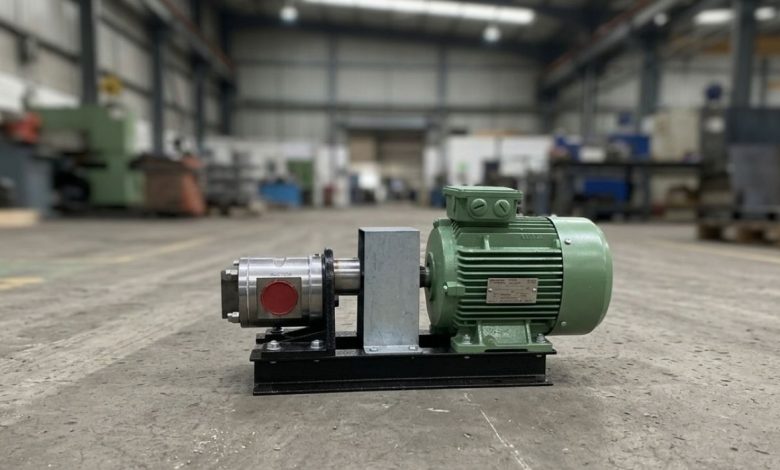
When a new piece of equipment is first commissioned, the hydraulic or lubrication system is typically at its peak efficiency. The internal components of an oil gear pump are precision-engineered to maintain tight clearances between the rotating gears and the pump housing. These clearances are essential because they dictate the volumetric efficiency of the unit. As oil enters the suction side of the pump, the rotating gears carry the fluid around the perimeter of the casing, creating a continuous flow toward the discharge port.
During this initial stage, the focus is often on verifying that the system is properly primed and that the oil is free of contaminants. Even microscopic particles can disrupt the fluid film that protects the gears, potentially leading to surface fatigue or premature wear. Operators are generally advised to monitor pressure gauges during these first sessions to ensure that the pump is not fighting against unexpected backpressure, which can indicate that the downstream filters or conduits are not yet fully saturated or are perhaps incorrectly sized for the application.
Changes in performance as the system progresses
As the equipment accumulates operational hours, the internal dynamics of the gear pump for oil begin to shift. Constant contact between the gears, while lubricated by the very fluid being moved, naturally results in minute levels of friction. Over time, this can lead to slight expansions in the internal tolerances. When these gaps grow, a small amount of fluid may slip from the high-pressure side of the pump back toward the low-pressure intake—a phenomenon known as internal leakage or “slip.”
In this stage, an operator might notice a subtle change in the system’s performance. The pump may need to run for a longer duration to achieve the same pressure targets, or the fluid temperature might gradually increase due to the energy dissipated by internal slippage. These changes are rarely catastrophic in the short term, but they are indicators that the system is entering a phase where monitoring and environmental control become more important. It is during this period that the quality and viscosity of the oil become critical variables; maintaining the correct fluid specifications can help mitigate the effects of natural wear and sustain efficient operation.
Signs of progress or the need for adjustments
Determining when a system requires an adjustment often comes down to tracking observable operational trends. A well-maintained pump should display consistent performance characteristics under similar load conditions. When that consistency fades, it serves as a sign that the system may need attention.
One common indicator that a gear pump for oil requires assessment is an increase in audible noise. While some sound is characteristic of mechanical rotation, a change in tone—such as a grinding or cavitating sound—often points to an issue with suction conditions or an air leak in the intake line. Similarly, if the time required for the system to reach full operating pressure increases, it is a signal to investigate the condition of the seals or the potential for excessive internal wear. These are not necessarily signs of total failure, but rather opportunities to perform corrective maintenance, such as replacing worn gaskets or verifying that the drive alignment is still within recommended parameters.
Sustaining results over the longer term
For the longevity of an oil gear pump, the long-term strategy is one of diligent prevention. Sustainability in mechanical systems is rarely achieved through major interventions, but rather through the cumulative effect of small, regular habits. This begins with rigorous filtration protocols. By ensuring that the oil remains clean, the abrasive wear on the gear teeth and housing can be kept to an absolute minimum.
Another key aspect of long-term reliability involves temperature management. Extreme heat can thin the oil, reducing its ability to provide a protective film, while extreme cold can cause the oil to become too viscous, placing undue strain on the pump drive and seals during startup. Many robust systems incorporate cooling or heating loops to maintain the oil within an ideal window, effectively extending the service life of every component in the hydraulic circuit.
Furthermore, as the equipment ages, the value of regular inspections cannot be overstated. Scheduled checks of the drive couplings, mounting bolts, and seal areas allow an operator to catch minor issues before they cascade into system-wide failures. Engaging with qualified maintenance personnel to perform periodic system audits can also provide insights that might be missed during daily operations, such as identifying if a pump is being consistently operated outside of its intended efficiency range.
The long-term picture for any mechanical system is defined by the balance between usage and care. When the system is treated as a delicate interaction of physics and chemistry rather than just a set of parts, the result is typically a machine that delivers steady, reliable output throughout its intended service life. By focusing on the health of the oil, the integrity of the seals, and the stability of the operating environment, those who rely on these pumps can ensure that their equipment continues to perform effectively well into the future.